Architectural Design Expertise: Building Spaces That Motivate and Deliver
Architectural design services are essential for creating spaces that seamlessly blend inspiration with functionality. By addressing user needs and the intended purpose of each area, architects craft innovative layouts that enhance both flow and accessibility. Their dedication to aesthetics and sustainable practices ensures that designs align with current environmental standards. Nevertheless, the key difficulty rests in harmonizing creativity with practical considerations. What strategies do architects employ to achieve this harmony? The findings may shed light on more meaningful understandings within the profession.
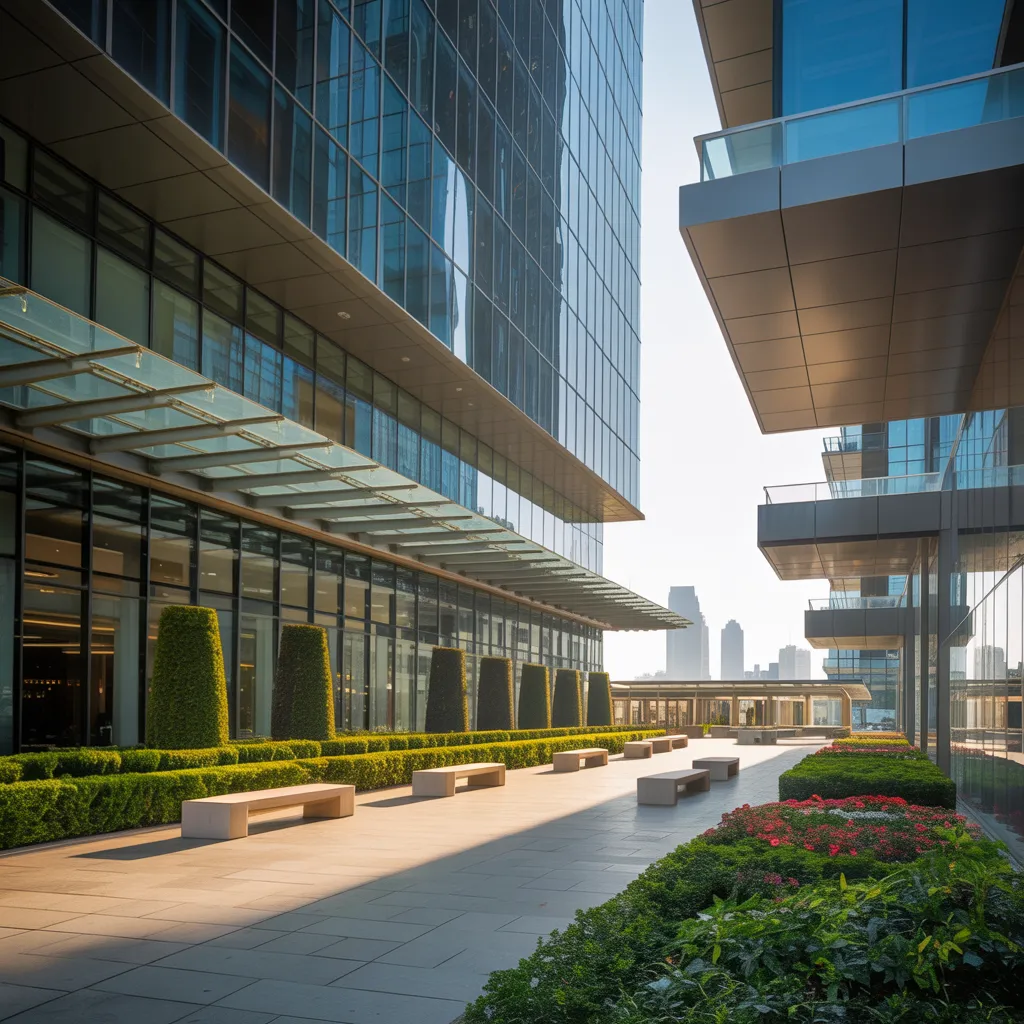
How Architects Contribute to Enhancing Space Functionality
Architects reimagine spaces by thoroughly evaluating how usability can be optimized through design. Their core purpose focuses on understanding the needs of users and the defined uses of an area. By conducting comprehensive evaluations, architects uncover key challenges and possibilities within environments. They evaluate elements including flow, accessibility, and spatial relationships to craft arrangements that enhance performance.
Employing advanced tools and techniques, architectural professionals incorporate forward-thinking strategies that enhance the use of available space. This involves the calculated arrangement of partitions, furnishings, and walkways to support circulation and connectivity. Moreover, they customize plans to address diverse functions, ensuring that each area fulfills its designated purpose efficiently.
Interaction with clients and key stakeholders further informs design choices, allowing architects to tailor designs that align with client requirements. In the end, their expertise not only elevates the practical elements of a setting but also fosters a productive and harmonious environment.
How Does Aesthetic Design Influence User Experience?
Aesthetic design serves a vital role in shaping how users experience a space, complementing the practical elements developed through careful architectural planning. It influences how users experience and engage with a space, inspiring feelings that can enhance overall satisfaction. A well-considered aesthetic can create an inviting atmosphere, encouraging users to engage more deeply with their environment.
Components including form, color, and texture collaborate to produce aesthetic balance, cultivating a feeling of comfort and belonging. As an illustration, natural light and open spaces can encourage a perception of serenity, while striking tones may invigorate and fuel imaginative thinking. Furthermore, an aesthetically pleasing design can elevate brand perception, ensuring spaces leave lasting impressions that draw visitors back.
At its core, the blending of design aesthetics not only enriches the visual appeal but also greatly influences people's psychological and emotional reactions, underscoring the essential link between beauty and functionality in architectural planning.
Adopting Sustainable Practices in Architecture
Integrating sustainability into architecture is vital for tackling environmental challenges. This encompasses the careful choice of sustainable materials, the adoption of energy-efficient design strategies, and the attainment of green building certifications. These elements not only enhance the ecological footprint of a project but also contribute to long-term economic viability.
Eco-Friendly Materials Selection
With the increasing demand for groundbreaking architectural concepts, the choice of eco-friendly materials has become essential in reducing environmental impact. Architects are placing greater emphasis on materials that are renewable, recyclable, and locally sourced. This strategy not only reduces the carbon footprint associated with transport but also supports local economies. Sustainable options including bamboo, salvaged timber, and repurposed metallic materials are gaining popularity for their long-lasting nature and visual appeal. Furthermore, the incorporation of low-VOC paints and surface treatments promotes a safer indoor air environment. Through the incorporation of sustainable materials in their projects, architects can create spaces that are not only functional and inspiring but also mindful of the environment, cultivating a sustainability-focused culture within the constructed environment.
Energy-Saving Design Strategies
The integration of eco-friendly materials naturally complements sustainable design methods in architecture. Such methods prioritize lowering energy demands while improving the comfort of building occupants. Architects frequently highlight passive solar design techniques, maximizing natural light and ventilation to decrease the need for artificial support systems. The careful arrangement of windows, shading features, and thermal mass can greatly lower the need for heating and cooling. Furthermore, incorporating high-performance insulation and energy-efficient HVAC systems allows buildings to preserve comfortable temperatures with limited energy use. Utilizing renewable energy sources, such as solar panels, additionally enhances a structure's overall sustainability. At its core, sustainable design approaches not only lessen environmental impact but also encourage lasting financial benefits, responding to the rising interest in thoughtful and progressive design solutions.
Sustainable Building Certifications
As sustainable architecture continues to gain momentum, green building certifications have become critical standards for assessing environmental performance. Such certifications, including LEED, BREEAM, and the Living Building Challenge, deliver structured guidelines for assessing energy efficiency, water conservation, and materials sustainability. They encourage architects to adopt innovative design practices that minimize environmental impact while enhancing occupant well-being. By satisfying rigorous standards, projects not only earn recognition but also secure a competitive advantage in the market. Furthermore, green certifications often lead to long-term cost savings through reduced energy consumption and operational efficiency. In the end, these certifications act as a foundational guide for architects striving to design spaces that are both practical and environmentally responsible, promoting a more sustainable future in the built environment.
How to Transform Your Architectural Ideas Into Reality
Transforming architectural ideas into tangible structures demands a structured methodology that combines access this information imaginative thinking with technical knowledge. The opening stage focuses on extensive research and ideation, as architects collect ideas from multiple sources, including nature, culture, and technology. This period commonly involves preliminary drawings and computer-generated models to illustrate the ideas.
After this step, partnering with engineers, contractors, and stakeholders is essential to polish concepts and confirm viability. Creating comprehensive blueprints and specifications facilitates exact execution during the construction phase. Architects are also required to navigate zoning laws and building codes, assuring conformity with applicable regulations.
Throughout the process, effective communication is essential. Consistent updates and feedback cycles among all stakeholders promote alignment and resolve potential challenges proactively. In the end, the construction phase materializes the vision, necessitating persistent oversight to copyright design standards. Through the combination of creativity and structured approaches, architects are able to effectively convert their innovative concepts into functional and inspiring environments.
How to Balance Creativity and Functionality in Architectural Design
Achieving a balance between creativity and functionality in architectural design requires a careful harmonization of aesthetic appeal and practical utility. Architects need to develop creative approaches that optimize space while keeping the design visually compelling. This equilibrium is essential for creating structures that are not only beautiful but also serve their intended purpose effectively.
Blending Form and Function
Achieving harmony between visual appeal and functionality is essential in the field of architecture. Architects need to evaluate how design features can improve usability while making certain that areas meet their original objectives. Achieving this equilibrium demands a deliberate strategy, merging structural elements, tones, and patterns that resonate with the environment and user needs.
Practical factors, such as accessibility, layout, and sustainability, should guide aesthetic choices, keeping functionality at the forefront of design. Moreover, meaningful engagement with clients and project stakeholders helps architects balance imaginative designs with functional necessities. By balancing aesthetics with practicality, architects create spaces that inspire while accommodating the demands of daily life. In the end, exceptional architectural work arises from a harmonious blend of creative vision and practical soundness, creating environments that are both enchanting and purposeful.
Advanced Solutions for Space
In the domain of architectural design, groundbreaking spatial solutions stand as a critical factor in harmonizing creativity with functionality. Successful design demands a thorough understanding of client requirements and surrounding conditions, empowering professionals to develop areas that are both inspiring and practical. By integrating advanced technologies, eco-friendly materials, and flexible configurations, designers can optimize space usage while enhancing aesthetic appeal. Collaborative efforts involving clients and multidisciplinary teams consistently confirm that varied viewpoints shape well-considered outcomes. Such harmony not only enhances the occupant experience but also cultivates a stronger relationship between constructed spaces and their users. Ultimately, the art of architectural design lies in its ability to convert ideas into concrete, practical spaces.
Latest Trends in Architectural Design Services
Recent advancements in technology and sustainability are transforming the landscape of architecture and design. Architects increasingly integrate advanced technologies into their architectural solutions, leveraging data-driven analytics and automation to improve performance and efficiency. BIM technology has established itself as a foundational resource, allowing for precise visualization and collaboration throughout the project lifecycle.
Eco-friendly design approaches are increasingly coming to the forefront, with architects focusing on energy-efficient materials and renewable energy sources. The movement towards biophilic design emphasizes the connection between nature and built environments, supporting overall wellness and increased performance.
Furthermore, flexible and adaptive spaces are in demand, catering to evolving needs and modern lifestyles. The rise of remote work has influenced residential and commercial designs, leading to multifunctional spaces that prioritize both comfort and utility. Taken together, these trends underscore a strong commitment to innovative, sustainable, and user-focused design in present-day architectural endeavors.
Finding the Ideal Architectural Service to Meet Your Needs
With the growing emphasis on cutting-edge and eco-conscious design approaches, identifying the ideal architectural service has become progressively essential for clients. This decision significantly influences the functionality, visual appeal, and general outcome of a project. Clients should first assess their specific needs, whether residential, commercial, or institutional. Understanding the scope of the project allows for better alignment with architectural firms that specialize in those areas.
Following this, evaluating the company's body of work is important. A diverse range of accomplished designs can demonstrate adaptability and innovation. It is also important to factor in the firm's sustainability practices, as eco-friendly practices are now considered industry standards.
Moreover, communication style and responsiveness should not be overlooked. Maintaining a collaborative relationship often leads to more favorable results. To conclude, examining client testimonials and requesting recommendations can offer meaningful insights regarding reliability and service quality, helping clients arrive at informed decisions that align with their individual requirements.
Common Questions and Answers
What Qualifications Should I Consider When Choosing an Architect?
When searching for an architect, you should consider important attributes such as a relevant degree, professional licensure, hands-on experience in your desired project categories, outstanding interpersonal and communication skills, creativity, and a collection of past work that matches your individual vision.
What Is the Average Timeframe for the Architectural Design Process?
Architectural design typically takes several months, depending on the scope and complexity of the project. Aspects like regulatory approvals, design revisions, and client feedback may significantly impact the completion and overall timeline.
What Are the Typical Project Delivery Methods in Architecture?
Common project delivery methods in architectural practice include Construction Management at Risk, Design-Bid-Build, Design-Build, and Integrated Project Delivery. Each of these methods presents notable strengths, influencing collaboration, timelines, and overall costs during every phase of the project.
How Do Architects Deal With Zoning and Building Codes?
Architecture professionals manage building codes and zoning regulations by conducting thorough research, working closely with local authorities, and following established regulations. They ensure designs comply with legal requirements while enhancing functionality and aesthetics suited to the intended purpose of the space.
Do Architects Also Provide Interior Design Services?
Absolutely, architects can assist with interior design. Their knowledge enables them to create harmonious environments that combine functionality and aesthetics, guaranteeing spaces not only satisfy structural requirements but also embody the preferred style and atmosphere.